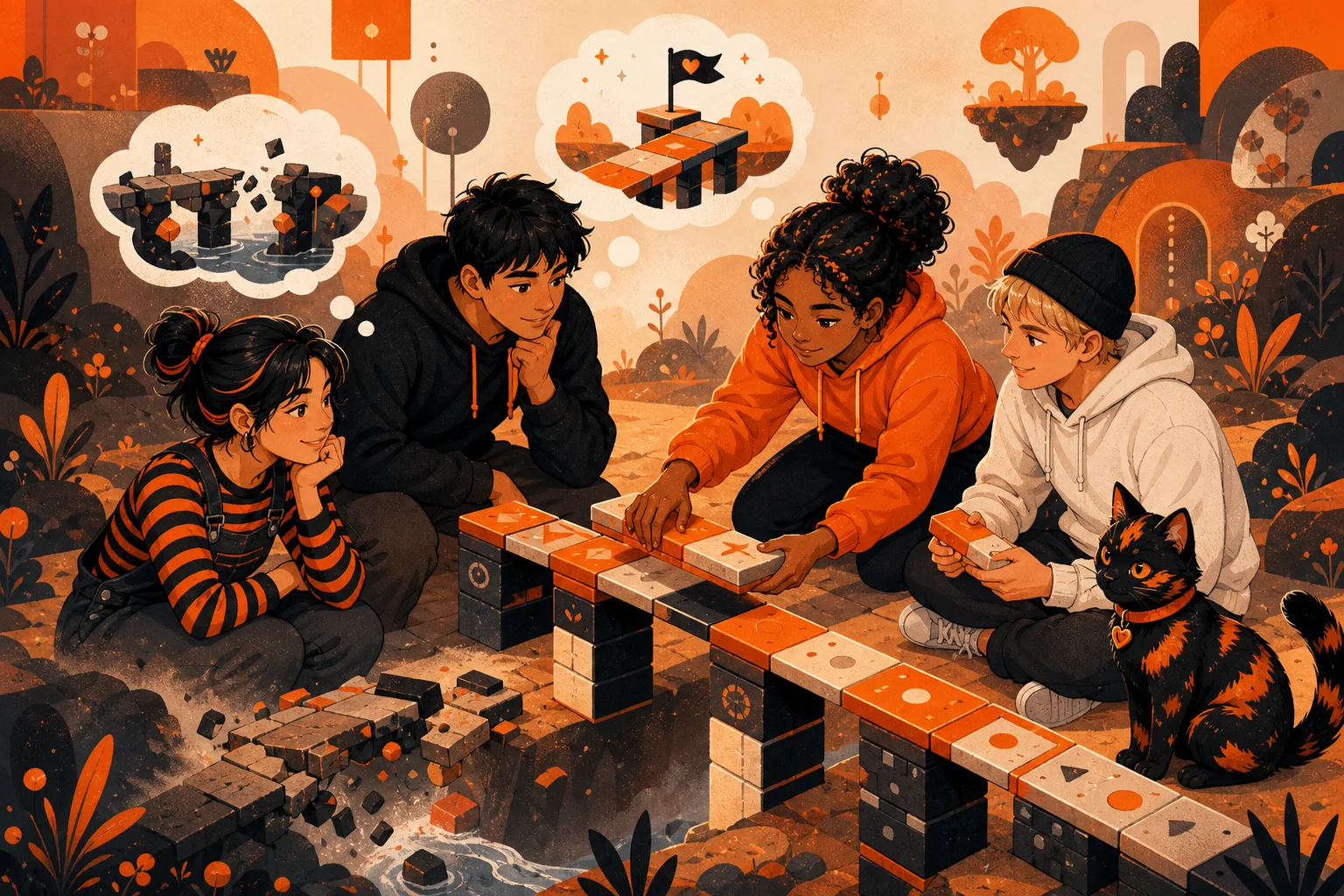
Resilience is the ability to adapt to change, recover from difficulty, and keep developing through challenges. It does not mean ignoring pain or handling every problem alone. It includes knowing when to pause, change direction, and reach for support.
Interactive learning offers a way to practice these skills through simulations, role-playing, games, and collaborative problem-solving. The experience becomes a cycle of action and reflection rather than a lesson that ends when the information is delivered.
Resilience Is a Process
People sometimes describe resilience as toughness. A more useful view is flexibility. Resilient responses may involve persistence, but they can also involve rest, asking for help, changing a goal, or choosing a safer path.
Learning environments can support this process by making setbacks expected and recoverable. When an unsuccessful attempt produces useful feedback, it becomes information rather than a final judgment.
Simulations Make Choices Visible
A simulation can place learners inside a realistic challenge and ask them to make decisions with limited time, information, or resources. Afterward, the group can examine what shaped those choices and what they might try differently.
- What information did we notice or miss?
- Which response helped, and which created a new difficulty?
- When did we adapt?
- What support would have changed the outcome?
Role-Play Builds Perspective
Role-playing allows learners to practice communication, boundary-setting, and problem-solving from different points of view. A thoughtful activity provides clear expectations, an option to step out, and enough time to discuss the experience afterward.
The goal is not perfect performance. It is to make space for trying language and strategies before a similar situation happens in daily life.
Collaborative Challenges Add Connection
Group problem-solving makes resilience social. Learners practice listening, dividing responsibilities, repairing misunderstandings, and using each person’s strengths. They also experience an important lesson: seeking help can be an effective response, not a failure.
- TryAct on the best information currently available.
- NoticeObserve both the outcome and the feelings that came with it.
- ReflectIdentify what worked, what changed, and what support was useful.
- AdaptChoose another strategy and carry the learning into the next attempt.
Interactive learning creates a place where “that didn’t work” can become the beginning of the next strategy instead of the end of the story.
Creating Supportive Learning Experiences
Activities should be age-appropriate, culturally thoughtful, accessible, and emotionally safe. Facilitators should avoid forcing personal disclosure, explain the purpose of each activity, and provide alternatives when a scenario feels uncomfortable.
Interactive learning can support resilience education, but it is not a replacement for therapy or individualized care. When a learner is struggling significantly, appropriate professional and community support matters.